Love, Algorithmically: How Meta's AI Dating Tools Aim to End Swipe Fatigue
In the modern romance landscape, the paradox is familiar: more choice than ever, yet less connection. Dating apps have turned finding love into a gamified scroll, where potential partners are reduced to photos and bios, judged in milliseconds, and discarded with a flick. The result is "swipe fatigue"—a sense of exhaustion, cynicism, and decision paralysis that has left millions disillusioned with digital dating. Now, Meta is attempting to rewrite the rules. With two new AI-powered services, Meet Cute and Dating Assistant, Facebook Dating is integrating artificial intelligence not just to match people, but to understand them. The promise is bold: help users locate compatible partners without the burnout. But as with any algorithmic intervention in matters of the heart, the execution will determine whether this is a breakthrough or a misstep.
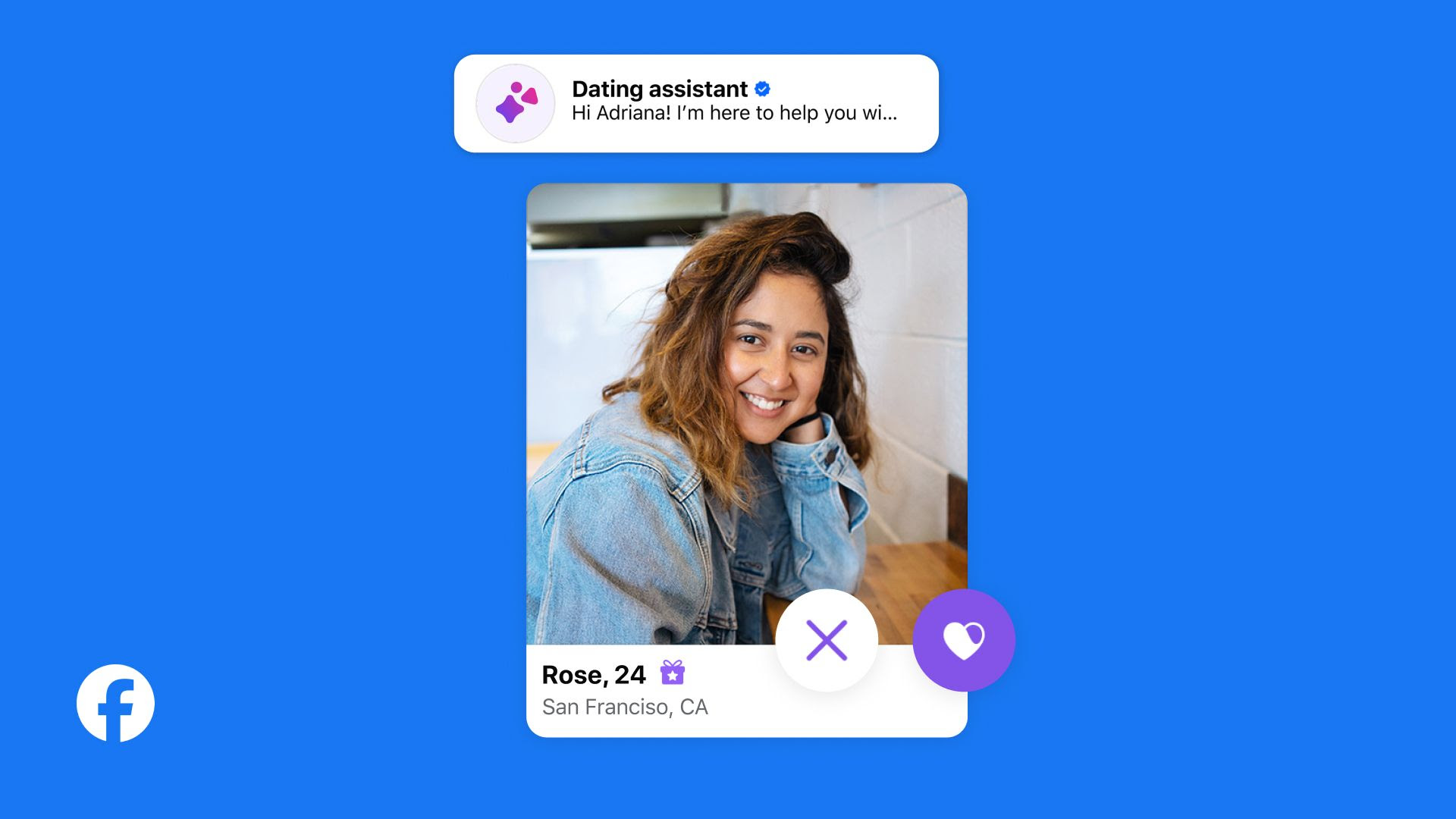
The first pillar of Meta's strategy is the Dating Assistant, an AI chatbot designed to be a wingman in your pocket. Rather than leaving users to navigate the ambiguity of profile creation and conversation starters alone, the Assistant provides text prompts that help articulate interests, values, and relationship goals. Instead of filtering matches solely by standard demographics like height, education, or location, the AI tailors searches based on nuanced preferences: a love for indie bookstores, a passion for sustainable living, or a preference for low-key first dates. It also offers dating advice and profile optimization hints, acting as a coach that helps users present their best selves. This is not just automation; it is augmentation. By guiding users toward more meaningful self-expression and more intentional searching, the Assistant aims to elevate the quality of connections over the quantity of matches.
The second innovation, Meet Cute, takes a more hands-off approach. Designed explicitly for people who are "tired of swiping," this fully automated feature delivers a weekly "surprise match" curated by Meta's proprietary matching algorithm. Users can review the suggestion, choose to engage, or pass—no endless scrolling required. Crucially, the feature is optional and can be disabled at any time, preserving user agency. The name itself is a nod to romantic comedies, evoking the charm of serendipitous encounters. By reducing the cognitive load of constant evaluation, Meet Cute attempts to restore a sense of discovery and spontaneity to digital dating. It is a bet that sometimes, less choice leads to better outcomes.
Together, these tools represent a strategic pivot for Facebook Dating. While Tinder and Bumble have dominated the market with swipe-based mechanics, Meta is leveraging its unique advantages: vast social graphs, rich behavioral data, and advanced AI capabilities. The Dating Assistant can draw on a user's broader Facebook and Instagram activity—pages liked, groups joined, events attended—to infer interests that might never appear in a dating profile. Meet Cute can factor in social proximity, mutual friends, or shared communities to suggest matches with higher potential for real-world compatibility. This contextual intelligence is something newer or narrower apps cannot easily replicate. If executed well, it could give Facebook Dating significant leverage in a crowded market.
However, the integration of sophisticated AI into romantic matchmaking is not without risks. The most immediate concern is the potential for algorithmic embarrassment. AI models, for all their power, can hallucinate, misinterpret context, or amplify biases.
Imagine a Dating Assistant that suggests incompatible matches based on superficial keyword overlaps, or a Meet Cute feature that pairs users in wildly inappropriate ways due to a glitch in the training data. Such experiences could erode trust not just in the feature, but in the platform itself. Romance is deeply personal; a misstep feels not just inconvenient, but invasive. Meta will need robust safeguards, transparent controls, and responsive feedback mechanisms to ensure that AI enhances rather than undermines the user experience.
Privacy is another critical consideration. Dating is sensitive by nature, and the idea of an AI analyzing one's romantic preferences, conversation patterns, and social connections raises legitimate questions about data usage. Meta has faced scrutiny over privacy practices in the past; any perception that Dating Assistant or Meet Cute exploits personal information for advertising or other purposes could trigger backlash.
Clear communication about data handling, opt-in consent, and user ownership of information will be essential. Trust is the currency of dating platforms, and it is earned through respect, not just functionality.
There is also a philosophical tension at play. By delegating match selection to AI, are users surrendering too much agency? Romance has always involved an element of unpredictability, of chemistry that defies logic. If algorithms become too effective at filtering for compatibility, do we risk creating echo chambers of similarity, where serendipity and growth through difference are lost? The Dating Assistant's focus on interests and preferences is a step toward nuance, but it cannot capture the ineffable qualities—humor, warmth, presence—that often determine real-world connection. Meta's tools should be framed as aids, not arbiters; suggestions, not substitutes for human judgment.
Yet, the potential benefits are compelling. For users overwhelmed by choice, AI-guided curation could reduce anxiety and increase satisfaction. For those who struggle to articulate what they want, the Dating Assistant could provide clarity. For people in niche communities or with specific values, smarter matching could surface partners they might never have found through brute-force scrolling. And for a platform like Facebook Dating, which has struggled to gain traction against established rivals, these innovations could be the differentiator that attracts a new wave of users seeking a more intentional, less exhausting experience.
The broader implication is a shift in how technology mediates intimacy. Dating apps have long been criticized for encouraging superficiality; AI, if designed thoughtfully, could help reverse that trend. By prioritizing depth over breadth, context over appearance, and guidance over gamification, Meta's approach reflects a maturing understanding of what people actually want from digital romance: not more options, but better ones. This aligns with a growing cultural movement toward "slow dating," where quality of connection is valued over speed of acquisition.
For Meta, the stakes are high. Success could revitalize Facebook Dating, drawing users away from Tinder and Bumble and creating a new revenue stream through premium AI features. Failure could reinforce perceptions of the platform as out of touch or intrusive. The company's ability to balance innovation with empathy, automation with authenticity, will determine the outcome.
As these features roll out, users will be watching closely. Will the Dating Assistant feel like a helpful coach or a pushy intermediary? Will Meet Cute deliver genuinely promising surprises or generic suggestions? The answers will emerge not in press releases, but in the quiet moments when someone decides to send that first message, or agrees to that first date.
Love has always been a mystery. Technology cannot solve it, but it can, perhaps, help create the conditions where connection is more likely to flourish. Meta's AI dating tools are an ambitious attempt to do just that. If they reduce fatigue, increase intentionality, and foster genuine matches, they could redefine digital romance for a new generation. If they stumble, they will serve as a cautionary tale about the limits of algorithmic intimacy.
One thing is certain: the future of dating will be shaped by those who understand that technology should serve humanity, not the other way around. Meta's latest move is a test of that principle. The world is watching—and hoping for a happy ending.
Your one-stop shop for automation insights and news on artificial intelligence is EngineAi.
Did you like this article? Check out more of our knowledgeable resources:
Watch this space for weekly updates on digital transformation, process automation, and machine learning. Let us assist you in bringing the future into your company right now