From Static to Spectacle: How Gemini's Nano Banana and Luma Dream Machine Are Redefining Visual Storytelling
In the crowded landscape of digital marketing, standing out requires more than just good content—it requires memorable content. The most engaging social media posts and advertisements don't just inform; they delight, surprise, and immerse. For years, creating that level of visual polish required professional studios, expensive equipment, and teams of specialists. Now, a powerful new workflow is democratizing high-end visual production. By combining Google Gemini's Nano Banana tool for miniature figurine creation with Luma Dream Machine for animation, creators can transform ordinary photos into extraordinary, cinematic micro-worlds. This isn't just a tutorial; it is a blueprint for the future of agile, AI-assisted content creation—where imagination, not budget, is the limiting factor.
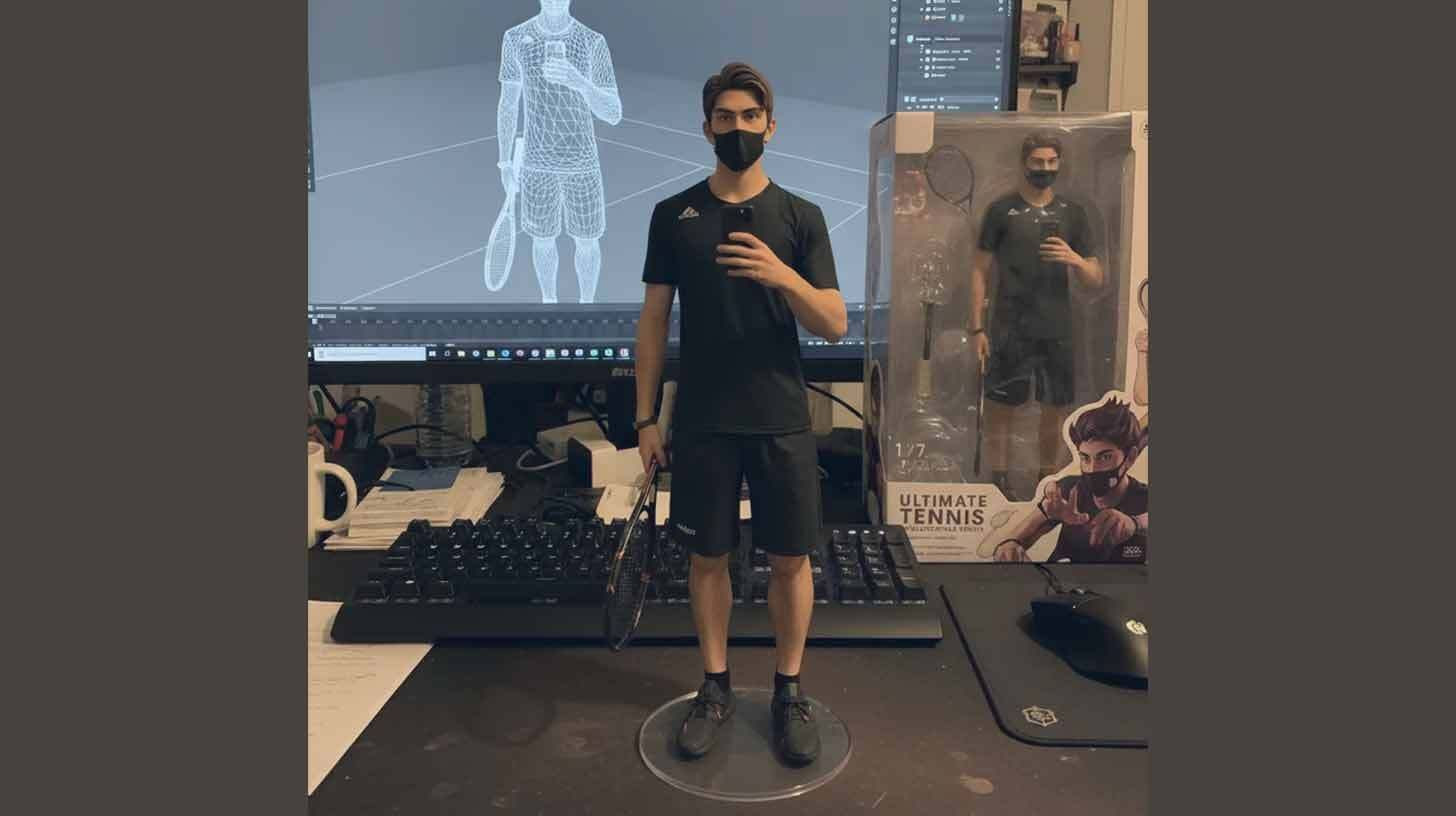
The process begins with a simple premise: turn yourself, your product, or your brand mascot into a collectible-grade miniature. Nano Banana, accessible through Google Gemini's "Create images" feature, specializes in this precise transformation. The prompt engineering is intuitive but powerful: "Ask me to submit a picture first, and then make a commercially available, 1/7th scale miniature of the characters in the image in a realistic setting. On a computer desk with a clear acrylic base and a toy packaging box, the figurine is set up." This instruction does more than request an image; it establishes a complete creative brief. It specifies scale (1/7th), aesthetic (realistic, commercially viable), and context (a curated desk scene with premium packaging). When you upload your reference photo, Gemini doesn't just generate a figurine—it constructs a narrative environment. The result is a hyper-detailed scene: a miniature you, posed dynamically, displayed on a sleek acrylic stand, surrounded by a monitor, keyboard, and high-end collectible box that feels ready for retail shelves. This level of contextual richness transforms a novelty into a brand asset.
But a static image, no matter how beautiful, is only half the story. The magic happens when you bring that miniature to life. This is where Luma Dream Machine enters the workflow. By importing the Nano Banana output into Luma Labs and creating a "New Board," you unlock the ability to animate your figurine with cinematic precision. The key is specificity in your prompts. Instead of a vague "make it move," direct the action with intention: "This figurine's front camera view: after throwing the phone up like a serve, he smashes it in the direction of the camera." This instruction provides three critical layers of direction: subject movement (the serve-and-smash action), timing (the sequence of throw then hit), and camera perspective (front view, dynamic motion toward lens). The more explicit you are about which hand performs what, the rhythm of the action, and the camera angles—close-up, dolly-in, low angle—the more controlled and professional the final animation will be.
The strategic value of this workflow extends far beyond novelty. For marketers, it offers a scalable way to produce thumb-stopping content for social media. Imagine a product launch where your new gadget is introduced not through a standard photo, but as a miniature figurine that "comes to life" in a 10-second cinematic clip. For personal brands, it enables creators to develop signature visual motifs—a miniature version of themselves in various scenarios—that build recognition and engagement. For e-commerce, it transforms product photography into interactive storytelling, allowing customers to see items in dynamic, contextualized settings. The production cost is negligible; the creative potential is immense.
This workflow also exemplifies a broader shift in content creation: the move from linear production to iterative, AI-augmented experimentation. In the traditional model, a concept is locked in before production begins. With Nano Banana and Luma, you can prototype rapidly: generate five different miniature scenes in minutes, animate each with varied camera moves, and A/B test which resonates most with your audience. This agility allows for data-driven creativity—where decisions are informed by real engagement, not just intuition. For teams managing tight deadlines or limited budgets, this ability to iterate quickly without sacrificing quality is transformative.
Yet, the power of this workflow demands thoughtful execution. The most compelling AI-generated content doesn't feel algorithmic; it feels intentional. That requires human direction at every stage. When crafting your Nano Banana prompt, consider brand alignment: does the miniature's pose, expression, and setting reflect your message? When directing animation in Luma, think like a cinematographer: what emotion does a dolly-in evoke versus a static shot? How does timing affect comedic or dramatic impact? The AI handles execution; you provide vision. This partnership—human creativity amplified by machine capability—is where the magic happens.
Technical best practices enhance results. For Nano Banana, use high-resolution, well-lit reference images with clear subject separation. For Luma, start with simple movements before attempting complex sequences; the model performs best with clear, sequential instructions. Always review outputs for consistency: does the figurine's appearance remain stable across frames? Does the motion feel physically plausible? Small refinements in prompt wording—"slow motion," "slight camera shake," "soft lighting"—can elevate output from good to exceptional.
The implications for the creator economy are profound. Tools like Nano Banana and Luma lower the barrier to producing content that previously required professional resources. A solo entrepreneur can now create brand videos that rival agency output. A small nonprofit can produce emotionally resonant campaigns without a production budget. This democratization doesn't devalue professional expertise; it redefines it. The skill shifts from technical execution to creative direction, storytelling, and strategic thinking. In this new paradigm, the most valuable creators are those who can envision compelling narratives and guide AI tools to bring them to life.
Looking ahead, this workflow hints at a future where content creation is increasingly modular and collaborative. Imagine a platform where you can generate a miniature with one AI, animate it with another, add voiceover with a third, and publish directly to social channels—all within a unified interface. The convergence of specialized AI tools into seamless pipelines will accelerate innovation and expand creative possibilities. Nano Banana and Luma are early examples of this trend: best-in-class models that become more powerful when used together.
For creators ready to embrace this new paradigm, the path is clear. Start small: experiment with a single figurine, a simple animation, a short clip. Learn the nuances of prompt engineering, the rhythm of AI iteration, the art of cinematic direction. Then scale: develop a library of miniature assets, create series content, build a distinctive visual style. The tools are accessible; the techniques are learnable; the audience is waiting.
The age of static, generic content is ending. In its place rises a vision of dynamic, personalized, cinematic storytelling—where every brand, every creator, every idea can be brought to life in miniature, then set in motion. Google Gemini's Nano Banana and Luma Dream Machine are not just tools; they are catalysts for a new creative renaissance.
The question is no longer whether you can produce professional-grade video content. It is whether you will seize the opportunity to tell your story in a way that captivates, connects, and converts. The workflow is ready. The technology is proven. The only thing left is to create.
Your miniature world awaits. Bring it to life.
Your one-stop shop for automation insights and news on artificial intelligence is EngineAi.
Did you like this article? Check out more of our knowledgeable resources:
Watch this space for weekly updates on digital transformation, process automation, and machine learning. Let us assist you in bringing the future into your company right now