The Symphony of Syntax: How AI is Rewriting the Rules of Music Creation
For centuries, the creation of music was governed by a strict hierarchy of skill, equipment, and access. To compose a symphony, you needed theory. To record a hit, you needed a studio. To produce a soundtrack, you needed a budget. But the digital landscape is shifting beneath our feet, and the barrier to entry is dissolving into something far more intuitive: language. A new generation of AI audio platforms is emerging with a bold promise: create the ideal music for any occasion using nothing but straightforward text instructions. This isn't just a tool update; it is a fundamental reimagining of how sound is born, turning studio-caliber compositions into a commodity accessible in minutes, regardless of genre, style, or technical expertise.
The core of this revolution lies in the democratization of the creative process. In the past, the gap between the music in your head and the music in your ears was filled with years of training or expensive collaborators. Now, that gap is bridged by the prompt.
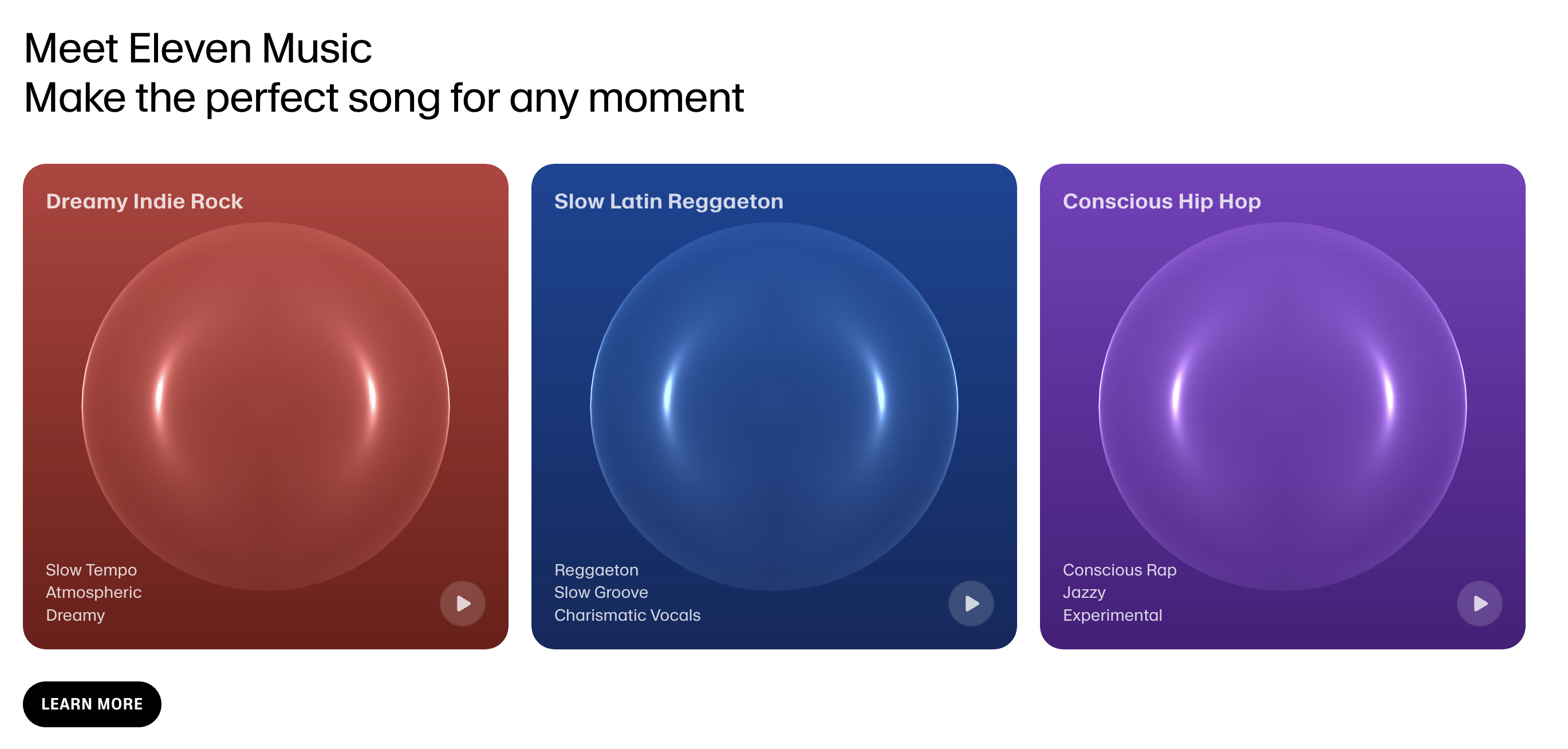
Simply explain your ideal use case, sound, or atmosphere, and let the music make it come to life. Whether you need a haunting cello melody for a film scene, an upbeat pop track for a commercial, or a lo-fi beat for studying, the technology interprets semantic nuance and translates it into audio fidelity. This shift empowers creators to focus on vision rather than mechanics, allowing the emotion of the piece to drive the production rather than the limitations of the software.
Quality, historically the compromise of speed, is no longer a trade-off. These platforms are designed to produce studio-caliber compositions that stand shoulder-to-shoulder with human-produced tracks. The AI models have been trained on vast datasets of high-fidelity audio, learning the intricacies of mixing, mastering, and instrument separation. The result is rapid production of excellent, personalized music that doesn't sound synthetic or hollow. For businesses and content creators, this means high-quality audio assets are no longer bottlenecked by production schedules. A campaign needing a specific sonic identity can iterate in real-time, testing different styles and moods until the perfect match is found, all without leaving the browser.
Versatility is the engine driving this adoption. The technology is agnostic to genre, style, singers, or instrumentals. You can request a jazz ensemble in the style of the 1950s, a cyberpunk electronic track with distorted bass, or a traditional folk song sung in a specific dialect. Crucially, this flexibility extends to language and vocals.
Users can rapidly produce personalized music in a variety of languages, with or without vocals, breaking down linguistic barriers that once confined music production to specific markets. For global companies, this means localized soundtracks for regional campaigns are no longer a logistical nightmare but a simple text command away. The AI handles the phonetics and prosody, ensuring that a song in Japanese sounds as authentic as one in English.
However, the innovation extends beyond music alone. The same underlying architecture powering these compositions is also driving the most lifelike AI speech models and products on the market. This creates a holistic audio ecosystem where music and voice converge. From conversational bots with low latency to the most popular AI voice generator for audiobooks and voiceovers, the technology ensures consistency across all audio touchpoints. Imagine a branded experience where the voice of your customer service bot matches the tone of your promotional music, all generated from the same intelligent core. This integration is powering millions of developers, producers, and businesses who need reliable, scalable audio solutions that feel human.
The target audience for this technology is as diverse as the sounds it creates. It is designed with companies, artists, producers, and music fans in mind. For game developers, it offers dynamic soundtracks that can adapt to gameplay without licensing nightmares. For independent artists, it provides a collaborator that can suggest melodies or harmonies, sparking new creative directions. For enterprises, it solves the legal and logistical complexities of stock music licensing. By putting this power in the hands of millions, the platform is not replacing human creativity but amplifying it. It allows a marketer to be a composer, a developer to be a sound engineer, and a writer to be a producer.
Yet, the implications go deeper than convenience. This technology represents a shift in how we value audio content. When high-quality music and voice generation become instantaneous, the value moves from the production itself to the curation and the context. The skill lies not in playing the instrument, but in knowing exactly what atmosphere you need to evoke. It challenges creators to become directors of sound, orchestrating AI tools to build immersive experiences that were previously reserved for big-budget productions. The creative loop tightens; idea to execution happens in minutes, allowing for faster iteration and bolder experimentation.
As we stand on the brink of this audio renaissance, the question is no longer whether AI can create music, but how we will choose to use it. The tools are here, capable of generating symphonies from sentences and voices from text. They are ready to serve the storytellers, the builders, and the dreamers who need sound to bring their visions into focus. The future of audio is not just about listening; it is about speaking to the machine and hearing your imagination returned to you in perfect harmony. The studio is no longer a place you go; it is a prompt you write. And with that simple shift, the world of sound opens up to everyone.
Your one-stop shop for automation insights and news on artificial intelligence is EngineAi.
Did you like this article? Check out more of our knowledgeable resources:
Watch this space for weekly updates on digital transformation, process automation, and machine learning. Let us assist you in bringing the future into your company right now